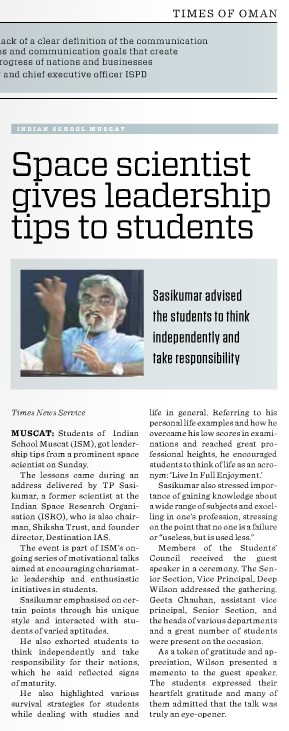
Meditation and Pain Management
1.this meditation and pain management is not new theory is it???
not new.This have been under various forms and heading in bits and
piece. the pain management is having many forms, One main factor is
through physcical and the forms are sadation and medicines ,messeges and
balms etc. second form can be instrumental through emotional support
that is councilling and emotional and intellectual pretotection, which
is easy via question answer sessions. The methods can be through
questions answer session and while seeking answers you can come across
solutionss and well as a case study to the picotal crust of the reasons,
too.Managing your ego is another method which is through scolding ,
showing power and fights etc. The social methor is through hiding
turnign your face against the problam and initiating a creative image
and worrking hard.These are throggh phyco,neuro, yoga, pranayama
,meditation ayurved,modern medicine, councilling and therapy techniques.
2.by conducting these workshops, how do you manage the session??
The main idea is to understnd the theory of management of pain and
finding a solutions for it under one roof .The basic science behind the
study and reason why we should find solutions , so that the individual
find soolutions and relif with which the painmanagemnt can be practices
with out support as well.
3. by giving them methods of pain management will they be able to do this on their own??
The level of the individual tolerence can be mesures first. If a road
accident hapenn and the wond is not serious and deep how should we feel,
the patient is able to see, feel and suffer the pain . For small
injuries do we need sedation, local or general.Is this makign the cell
inactive, by doing so is this effection the healing process?? can we use
meditative methord to insted of sedative?? the labout pains reduced
cosiderably if its done underwater.why? similerly to understand the
painmanagement through phycho neuro backgorund , then this be trained
and can be practiced by individual people too.
4. Pain management for who? those who go through pain or physiological/psychological pain, like fear and depressions?
This theory is not bases of For those who are patients only, its can be
effective for people of any level and for general well being of any
human species.
5. Is this management of pain affiliated or associated with any medical theories??
The modern medicine knows only to treat with sedation and it is
changing the chemistry of mecine which is equal to consuming alchahol.
6.Is this the solution?
we
are trying to understand the electro-elcilograph and learn the brain
behind pain and undeerdtand the meditation,yoga bio feedbackk to learn
the EEG and itd effects. Thus the new theory and new study will be
produced or inveted.These workshops or conferences is to draft the
sstudy into a final form of a tectbook.I am leading the group
discussions and the content cration of this book in question through
these workshops.
This new line of study of
painmanagement agree meditation can help with a host of health problems.
“Relaxing and quieting your mind by focusing on your breathing can
reduce stress ,even the stress that comes with decieces like
artheris,cancer .The studies shows that patients who meditated responded
to stress with lower heart rates, better hormonal changes and improved
immune function and that meditation, in combination with traditional
medicines, appears to be beneficial for arthritis patients. People who
meditate tolerate pain better, he adds. Want to try some easy meditation
techniques? Here are some you can do every day.
Sit or lie
in a quiet room, imagining your body is flowing with energy – feel it
flowing through your fingers, up and down your back and all over your
body. If there are places where you feel pain, concentrate on imagining
the energy flowing through those areas easily, until you can feel energy
flowing freely all over your body.
Yoga breathing, like
pranayama. Each morning and evening, start and end your day with a
two-minute session of focused breathing. Sit in a comfortable chair that
supports your back, relax, inhale for four seconds and then exhale for
six seconds.
Walking meditation. If you doctor has OK’d a
walking program, you can turn it into a meditation routine, suggests
Dr.Sasikumar. Instead of listening to pop music through headphones,
thinking about your to-do list or chatting, focus intently on your
body’s movements as you walk, he says. It’s that simple.
Guided
imagery. Relax in a comfortable position as you listen to a voice that
helps you focus on a beautiful scene or visualize your “helper” cells
healing your joints. Dr.Sasikumar recommends . Focus on a word, phrase,
prayer, sound or piece of music. Meditate for a few minutes but aim to
work up to 20 minutes per session and two sessions per day. This
focusing meditation can be done while you’re walking or sitting in a
comfortable chair.
Mindful meditation. Focus on being in the
moment, or on a specific feeling. Many hospitals have programs that use
this method of quieting thoughts. It’s a good idea to have at least one
lesson to learn the right way to do it, says Dr. . , can be helpful.
Stress Management Education...
If
you, or someone you love is looking for ways to cope with the stress of
life changes or illness this web site offers many resources to help you
reduce stress.
These tools and resources will also be of
interest to professional health care providers as a supplement to
traditional medical practices. information can help you increase your
knowledge and skills in stress and life change management
The
learned meditation is performed while sitting comfortably with the eyes
closed for 15 to 20 minutes in the morning and evening. During this
state, the mind “transcends” all mental activity to open the state of
consciousness.
See the blog
http://drtpsasikumar.blogspot.com/